
The Petrol price in Pakistan today is one of the most important concerns for citizens across the country. The Petrol price directly affects transportation, food costs, and overall inflation. As of April 2026, the Petrol price in Pakistan today is approximately Rs. 366.58 per litre, and this rate applies across all major cities.
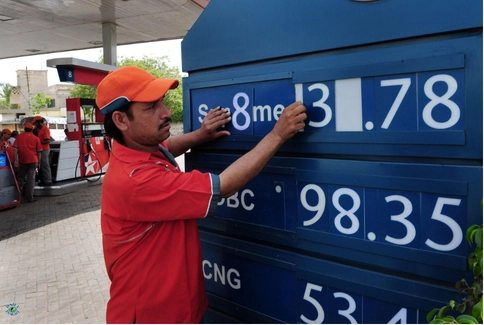
Understanding the price of the Petrol is essential because even a small increase can impact daily life. From motorcycle users to large transport businesses, everyone feels the effect of changes in the price of the Petrol. In a country like Pakistan, where fuel is a backbone of economic activity, monitoring the Petrol price is not just important-it is necessary.
The rising price of the Petrol has also become a major topic in daily news, social media discussions, and government policy debates. People constantly search for updates about the price of the Petrol, making it one of the most trending keywords online in Pakistan.
Petrol Price in Pakistan Today
The current Petrol price is set by the government based on recommendations from the Oil and Gas Regulatory Authority (OGRA). The official rates are:
- Petrol (Super): Rs. 366.58 per litre
- High-Speed Diesel: Rs. 353.00 per litre
- Kerosene Oil: Rs. 467.48 per litre
The price of the Petrol is reviewed every 15 days. This means consumers must stay updated regularly, as the price of the Petrol can increase or decrease depending on global conditions.
This frequent revision system ensures that the price of the Petrol reflects international oil market trends. However, it also creates uncertainty for consumers who must adjust their budgets frequently.
Petrol Price City-Wise Breakdown
Many people search for a city-wise price of the Petrol, but in Pakistan, the Petrol price is the same nationwide.
In Karachi, Lahore, Islamabad, Rawalpindi, Faisalabad, Peshawar, and Quetta, the price of the Petrol remains Rs. 366.58 per litre. This uniform pricing ensures fairness and avoids regional price differences.
However, premium fuels like hi-octane petrol may vary slightly depending on the fuel station. Even though the base price of the Petrol is controlled, companies may charge differently for premium products.
This system benefits consumers because they do not have to worry about different price of the Petrol rates when traveling between cities.
Why Petrol Price Is Same Across Pakistan
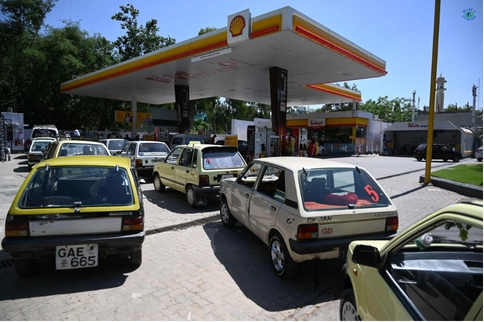
The price of the Petrol remains identical across cities because the government controls fuel pricing at the national level.
This system ensures:
- Equal pricing for all citizens
- Transparency in fuel costs
- Stability in the market
Without centralized control, the price of the Petrol could vary significantly between cities, causing economic imbalance. The uniform price of the Petrol policy also helps businesses plan logistics and transportation costs more effectively.
Petrol Price Trends in 2026
The Petrol price in 2026 has seen major fluctuations. At one point, the price of the Petrol increased sharply due to global oil shortages and geopolitical tensions.
Later, government adjustments helped stabilize the Petrol price, bringing it closer to the current level. However, volatility remains a key feature of fuel pricing.
Compared to previous years, the price of the Petrol in 2026 is significantly higher. Just a few years ago, the Petrol price was much lower, but continuous increases have made fuel more expensive for consumers.
Historical Petrol Price Comparison
Looking at past trends helps understand how the Petrol price has evolved:
- 2020: Around Rs. 100 per litre
- 2022: Around Rs. 200 per litre
- 2024: Around Rs. 300 per litre
- 2026: Around Rs. 366+ per litre
This steady increase shows how the price of the Petrol has become a growing burden for the public. The rising Petrol price is one of the main reasons behind increasing inflation in Pakistan.
Factors Affecting price of the Petrol
Several factors influence the price of the Petrol in Pakistan:
Global Oil Prices
Pakistan imports oil, so international prices directly affect the price of the Petrol. Any increase in global crude oil prices leads to a higher price of the Petrol locally.
Currency Exchange Rate
A weaker rupee increases the price of the Petrol because imports become more expensive. The exchange rate plays a crucial role in determining the final price of the Petrol.
Government Taxes
Taxes and levies form a significant portion of the price of the Petrol. Even if global prices drop, high taxes can keep the price of the Petrol high.
Transportation Costs
Distribution expenses also contribute to the final price of the Petrol. Logistics and supply chain costs impact the overall fuel pricing.
Political Decisions
Government policies and subsidies can increase or decrease the Petrol price depending on economic conditions.
Impact of Petrol Price on Daily Life
The price of the Petrol affects everyday expenses in many ways. When the Petrol price rises:
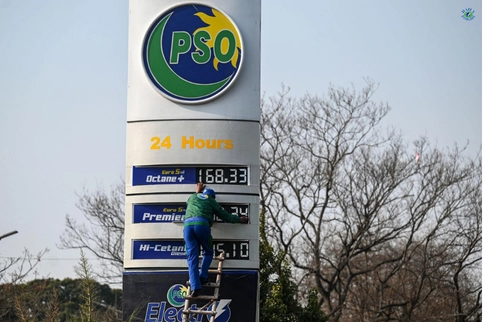
- Transport costs increase
- Food prices go up
- Inflation rises
- Business expenses grow
This makes the Petrol price one of the most important economic indicators in Pakistan. A higher price of the Petrol means higher cost of living for the average citizen.
Students, office workers, and small business owners are among the most affected groups when the price of the Petrol increases.
Petrol Price and Inflation Connection
There is a direct link between the price of the Petrol and inflation. When the Petrol price increases, transportation costs rise, which leads to higher prices for goods.
This chain reaction affects:
- Grocery prices
- Utility bills
- Public transport fares
The rising price of the Petrol is one of the main drivers of inflation in Pakistan.
Future Petrol Price Prediction
Experts believe the Petrol price will remain unstable in 2026. The price of the Petrol may increase if global oil prices rise or decrease if the government provides relief.
Possible scenarios include:
- Increase due to global demand
- Stability due to government intervention
- Decrease if international markets improve
Consumers should be prepared for changes in the price of the Petrol throughout the year.
Tips to Save Fuel with Rising Petrol Price
With a high price of the Petrol, saving fuel is essential:
- Use public transport
- Maintain your vehicle regularly
- Avoid unnecessary travel
- Drive at moderate speed
- Use carpooling
These steps can help reduce the impact of the price of the Petrol on your budget.
Conclusion
The Petrol price in Pakistan today stands at around Rs. 366.58 per litre, with uniform pricing across all major cities. The Petrol price continues to influence daily life, inflation, and economic stability.
Staying informed about the price of the Petrol helps individuals make better financial decisions and prepare for future changes. As the global economy evolves, the price of the Petrol will remain a key factor affecting millions of people in Pakistan.
Count on Daily Insight for clear and quick news!